About El Salvador

Understanding the challenges and opportunities in rural El Salvador

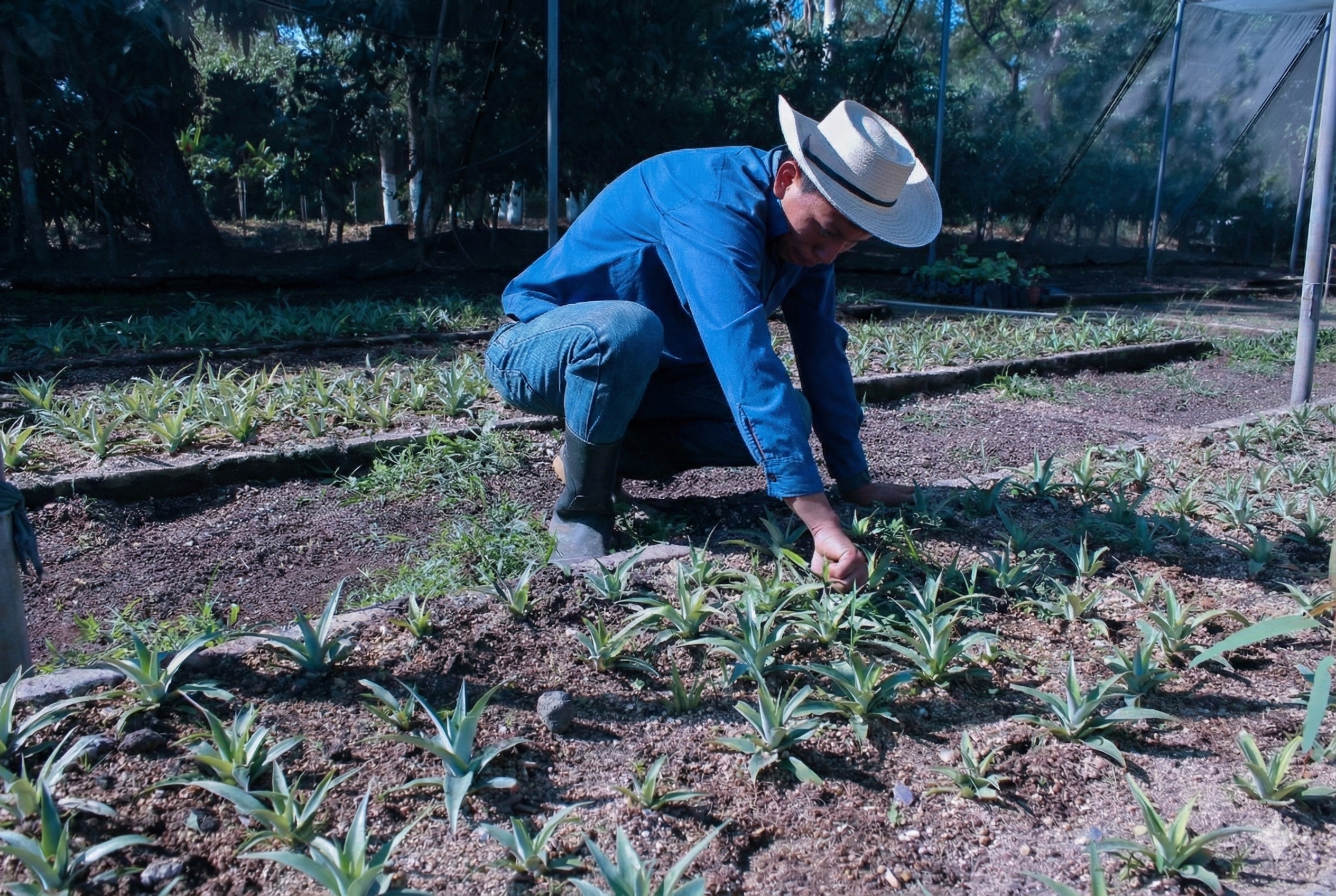
Farmer in El Salvador

Civil War, Poverty, & Subsistence Farming

El Salvador's twelve-year civil war ended in 1992. At the time, more than 50% of the rural population lived in conditions of extreme poverty. The bulk of the fighting was in rural areas, so many commercial farms were destroyed or abandoned. A large portion of the population left El Salvador to escape first the war, then poverty, and then gang activity.

According to the World Bank, 80% of the world's poor live in rural areas and work mainly in farming. In El Salvador, lack of access to basic services and limited job opportunities contribute to poverty, social unrest, and migration. Communities with high migration experience social fragmentation, increased crime, and stagnating economies.

Today, subsistence farming remains the largest vocation in El Salvador and is a part of their cultural identity. Unfortunately, subsistence farming cannot sustain a family. Smallholder farmers typically grow barely enough to eat on one or two acres of land, with little left over to sell or trade.

Traditional crops have small profit margins and contribute to diets that lack diversity. Because of this, the rural sector suffers from malnutrition, lack of food security, and insufficient agricultural development.
Stepping in to Fill the Gap

These socioeconomic challenges are daunting. Government assistance alone is insufficient to achieve the necessary transformation; what El Salvador needs is a holistic, sector-wide approach that can integrate private and public resources.

In the short term, churches and faith-based NGOs offer relief to families through feeding programs and by funding home gardens. Longer term, nonprofits like the Stephen Foundation are creating agricultural assistance programs and agribusiness models that will help lift communities out of poverty.

Studies show that increasing productivity in the agricultural sector is the most effective way to raise incomes for those living in poverty. Smallholder farmers play a crucial role in the rural economy, but they require financial and technical support to integrate more resilient production methods.

The goal in El Salvador is not just to meet people's needs today, but also to sow the seeds of transformative change that will last for generations to come.

Facts About El Salvador

30%
of rural population lives in extreme poverty
1/3
of Salvadorans migrated to the US (3.2 million people)
63
migrations happen per day on average
90%
of migrants are of working age (18-64)
60%
of rural income is from remittances
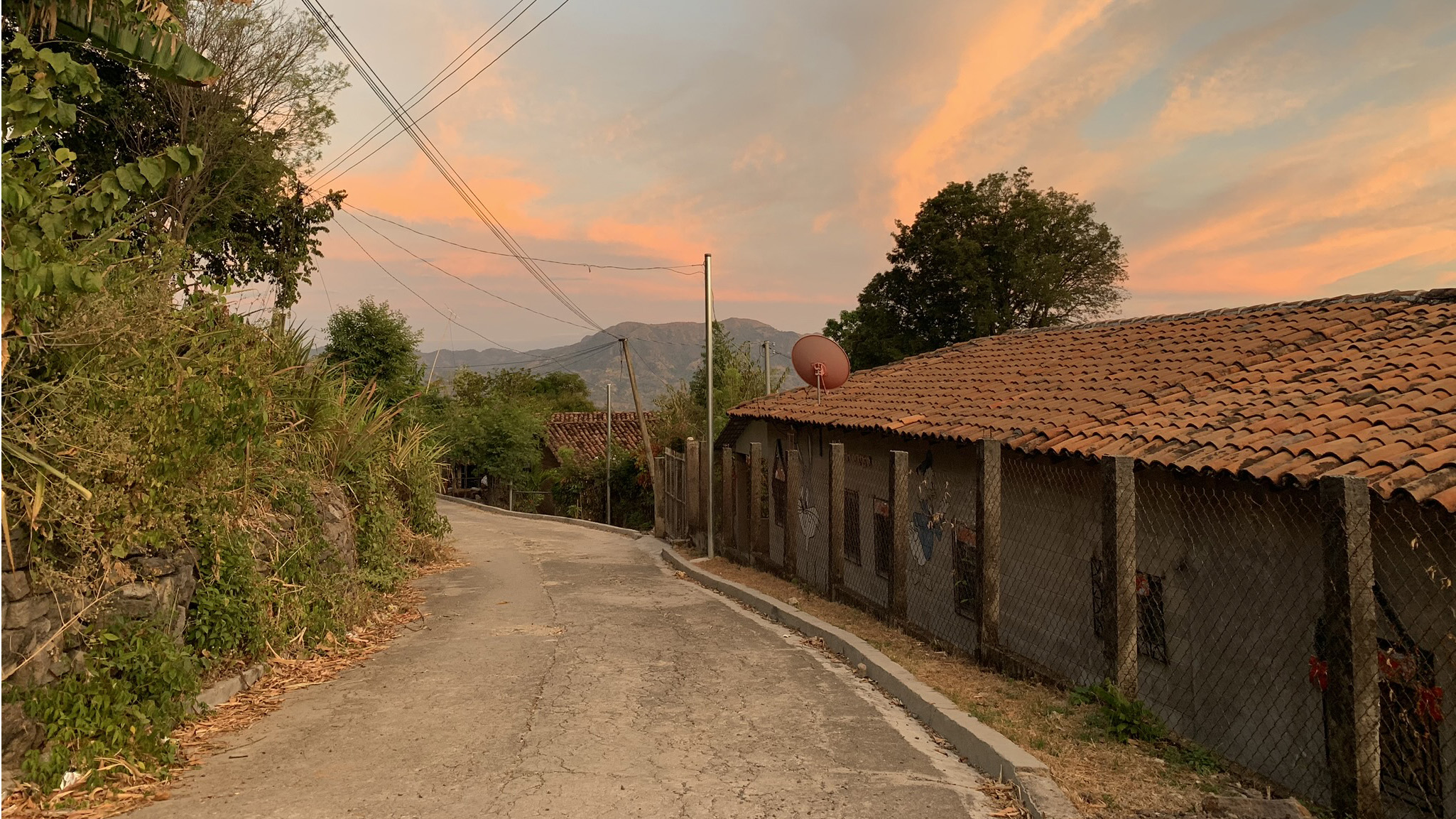
El Salvador street

Now is the Time to Invest in El Salvador

After years of political and social unrest, the economy in El Salvador has stagnated. However, the recently reelected government has cracked down on gang violence, and for the first time in decades there is the necessary security for economic development. Conditions are ripe for much-needed change.

If the country can use this opportunity to take significant strides forward, the future will be bright for the people of El Salvador. Now is the time to invest in ways that will truly make a difference.

That's why we're planting 10,000 guava trees on the Stephen Foundation Farm. For just $30 per tree, the Guava Tree Initiative will stimulate the local economy, address food insecurity, and create opportunities for subsistence farmers to lift themselves out of poverty.